Moving out of a rental property in Southern California—whether in La Mirada, Los Angeles County, or Orange County—is a major financial transition. Following a structured california move out cleaning checklist is the single most effective strategy to satisfy landlord inspection standards and secure your full security deposit refund.
In California, security deposits often equal one to two months’ rent, representing thousands of dollars. Unlawful or disputed cleaning deductions remain the leading cause of conflicts between tenants and property managers. This guide breaks down California tenant protection laws, provides an organized room-by-room checklist, contrasts normal wear and tear against cleaning deficiencies, and helps you decide between DIY cleaning or hiring local professionals.
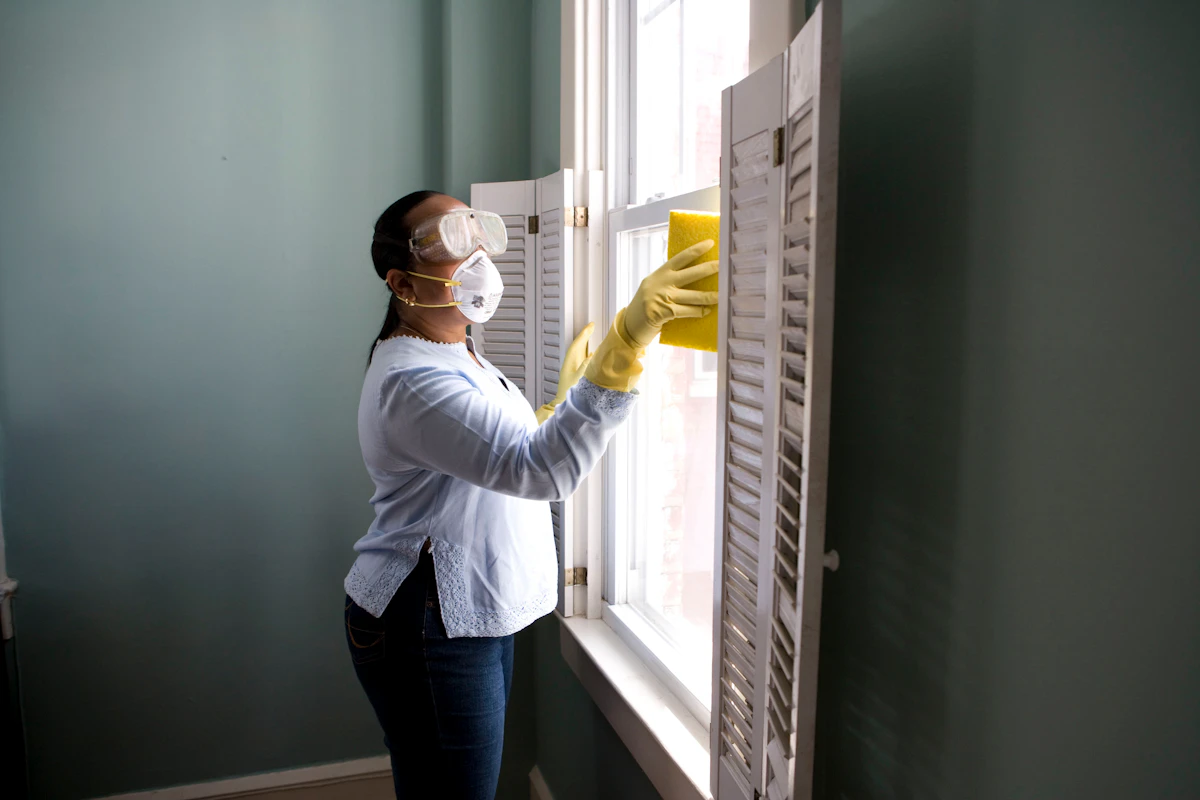
1. California Security Deposit Cleaning Laws & Landlord Deductions
Before picking up a mop or sponge, understanding your legal rights under state law is essential. Under California Civil Code § 1950.5 and guidelines provided by the California Courts Self-Help Security Deposit Guide, landlords can legally deduct funds from your security deposit for only four specific reasons:
- Unpaid Rent: Any outstanding rent owed under the terms of your lease.
- Tenant Damage Repairs: Fixing damage beyond routine wear and tear caused by tenant neglect or accidents.
- Restoration Cleaning: Cleaning the premises to return the unit to the same level of cleanliness present at move-in.
- Personal Property Replacement: Restoring or replacing items specified in the lease agreement.
Key Standard: Restoration, Not Improvement
A landlord cannot legally force you to pay for commercial upgrades or standard turnover detailing if the rental was only moderately clean when you moved in. Using a clear california move out cleaning checklist and keeping initial move-in photos protects your financial interest.
Essential Tenant Legal Protections
- Right to Initial Pre-Move Inspection (Civil Code § 1950.5(f)): Tenants can request an inspection up to 2 weeks before vacating. The landlord must provide an itemized list of specific cleaning tasks required to prevent deposit deductions.
- Statutory 21-Day Deposit Return Rule: Within 21 calendar days after vacating, your landlord must return your security deposit in full or mail an itemized statement detailing all deductions.
- Itemized Receipts Mandate: If cleaning or repair deductions exceed $125, the landlord must attach actual copies of third-party receipts, contractor invoices, or hourly worker logs.
2. Room-by-Room Move-Out Cleaning Checklist
To ensure no corner is overlooked during your final walkthrough, execute your move-out cleaning systematically using this organized california move out cleaning checklist layout.

Zone A: Kitchen & Food Preparation Areas
Kitchens generate the highest percentage of deposit disputes. Baked-on grease, dirty appliance undersides, and sticky drawer liners trigger immediate property manager deductions.
- Oven & Stove: Clean interior oven walls, wire racks, glass door, broiler drawer, burners, grates, and under the stovetop lid.
- Range Hood & Filter: Degrease the underside of the range hood and soak or replace aluminum mesh grease filters.
- Refrigerator & Freezer: Defrost, sanitize shelves, wipe door rubber gaskets, and pull the unit out to clear grease and dust accumulated against rear walls.
- Cabinets & Drawers: Vacuum crumbs, wipe interior shelves, and clean exterior door faces and handles.
- Sink & Disposal: Scrub stainless steel or porcelain sinks, polish chrome hardware, and flush disposal units with baking soda and citrus.
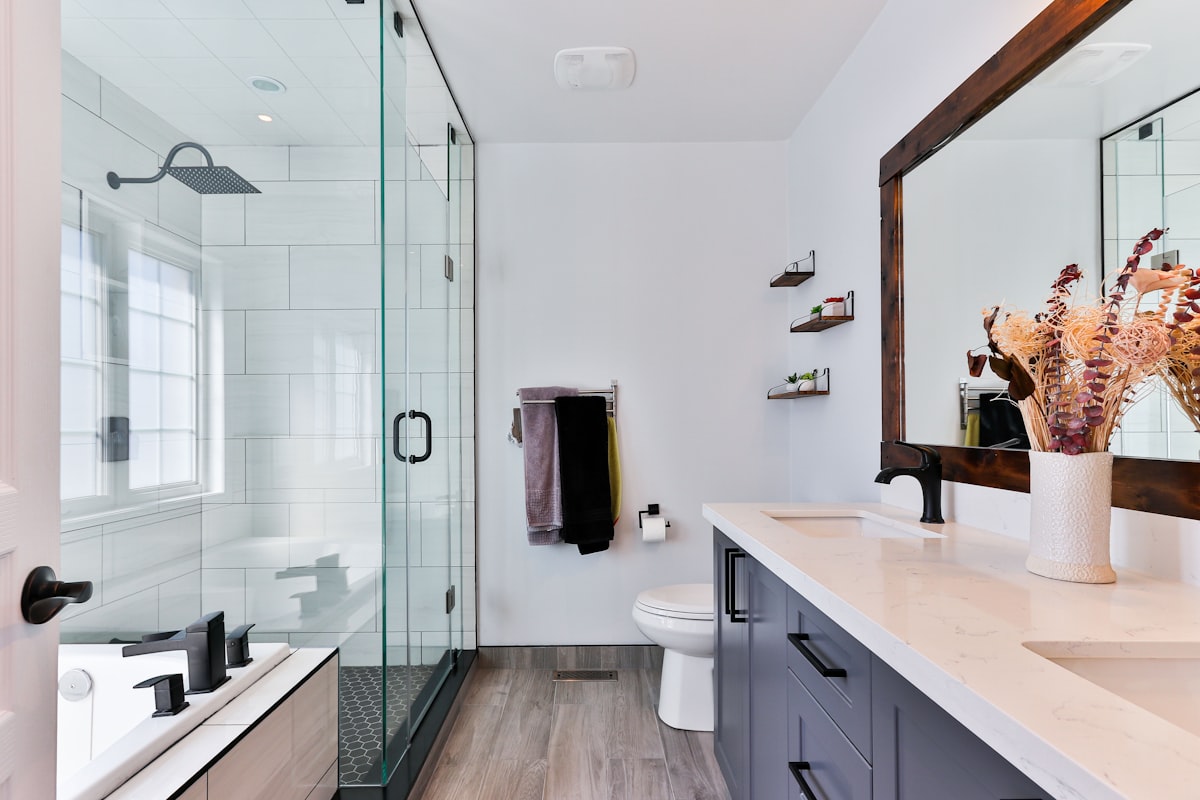
Zone B: Bathrooms & Hygiene Facilities
Bathrooms require deep sanitation to eliminate hard water deposits, tile grout mildew, and dust buildup.
- Shower & Tub: Scrub wall tiles, grout lines, glass doors, and faucets to remove soap film, limescale, and mold.
- Toilet Sanitation: Disinfect the bowl, exterior porcelain tank, lid, seat hinges, and floor anchoring base.
- Vanity & Medicine Cabinet: Clean mirrors, interior vanity drawers, sink basins, and faucet base rings.
- Exhaust Fans & Vents: Vacuum accumulated dust out of ceiling fan covers and HVAC grates.
Zone C: Living Areas, Bedrooms & Storage
Once furniture is cleared out, dust and smudges on peripheral surfaces become highly visible during inspection walkthroughs.
- Baseboards & Trim: Dust and wipe down all baseboards, door frames, and crown molding across all rooms.
- Walls & Switch Plates: Spot-clean fingerprint oil around light switches, outlet covers, and wall smudges using microfiber cloths.
- Windows & Blinds: Wipe interior window panes, clean dirty window tracks, sills, and wipe down individual blind slats.
- Ceiling Fans & Fixtures: Dust fan blades, light fixtures, and globe covers.
- Closets: Vacuum closet floors, wipe down clothes rods, and dust top storage shelves.
Zone D: Floors, Carpets & Exterior Balconies
- Hard Surface Flooring: Sweep and mop tile, vinyl, laminate, or hardwood floors thoroughly along baseboard edges.
- Carpets: Vacuum thoroughly, including corners and closet edges. (Note: Under California law, landlords cannot automatically mandate professional carpet cleaning unless carpets are stained, smelly, or dirty beyond normal wear and tear).
- Patio & Garage: Sweep patio concrete, clear cobwebs from exterior lights, and sweep out garage floor debris.
3. Normal Wear and Tear vs. Cleaning Deficiencies
Understanding what constitutes legal normal wear and tear prevents landlords from shifting routine turnover costs onto tenants:
| Category | Normal Wear & Tear (Landlord Responsible) | Cleaning Deficiency / Damage (Tenant Cost) |
|---|---|---|
| Walls & Paint | Minor scuffs from routine furniture placement | Heavy grime, food splatters, unpatched wall holes |
| Flooring & Carpet | Traffic lane fading & minor carpet matting | Pet urine stains, dark food spills, unvacuumed dirt |
| Kitchen Appliances | Minor exterior metal patina or aging seals | Thick, baked-on interior oven grease & food crust |
| Bathrooms | Slight faucet finish wearing over time | Thick soap scum, heavy mold, or calcium buildup |
4. DIY vs. Booking a Professional Move-Out Cleaning Service
Deciding between a DIY clean or hiring professional cleaning experts comes down to available personal time, physical labor, and deposit risk tolerance.
| Comparison Factor | DIY Cleaning Approach | Professional Move-Out Service |
|---|---|---|
| Direct Financial Cost | Low ($40–$70 supplies) | Moderate ($250–$550 depending on size) |
| Personal Time Required | 10 to 16+ hours of intense labor | 0 hours of personal labor |
| Deposit Deduction Risk | Moderate to High (missed crevices) | Minimal (Backed by walkthrough guarantee) |
| Equipment & Supplies | Standard household cleaners | Commercial degreasers & steam extractors |
If you are managing a busy work schedule, packing deadlines, or family obligations, hiring professionals is often the most reliable strategy to guarantee a full deposit return. Booking professional move-out cleaning in La Mirada and LA County or scheduling general house cleaning services ensures your rental satisfies strict property manager standards.
5. Frequently Asked Questions
What is considered normal wear and tear versus dirty in California tenant law?
Under California Civil Code § 1950.5, normal wear and tear refers to unavoidable deterioration resulting from routine, everyday use—such as minor furniture scuffs on wall paint, slight hallway carpet matting, or sun-faded blinds. Deductions are only permitted for dirt or damage beyond normal wear, such as baked-on oven grease, heavy soap scum, pet urine stains, or un-vacuumed window tracks.
How much do landlords typically charge for move-out cleaning in Los Angeles?
In Los Angeles County and Orange County, landlords typically deduct between $250 and $600+ from security deposits for third-party move-out cleaning services depending on unit size and condition. California law requires landlords to provide itemized receipts for any cleaning deductions exceeding $125.